
Recipe Summary
Simple yet incredibly full of flavor, Soba Noodles with Dipping Sauce! Perfect on a warm day served cold or heat it up for a cozy meal.
0gFat
0gProtein

My bowl of noodles have all grown up with …
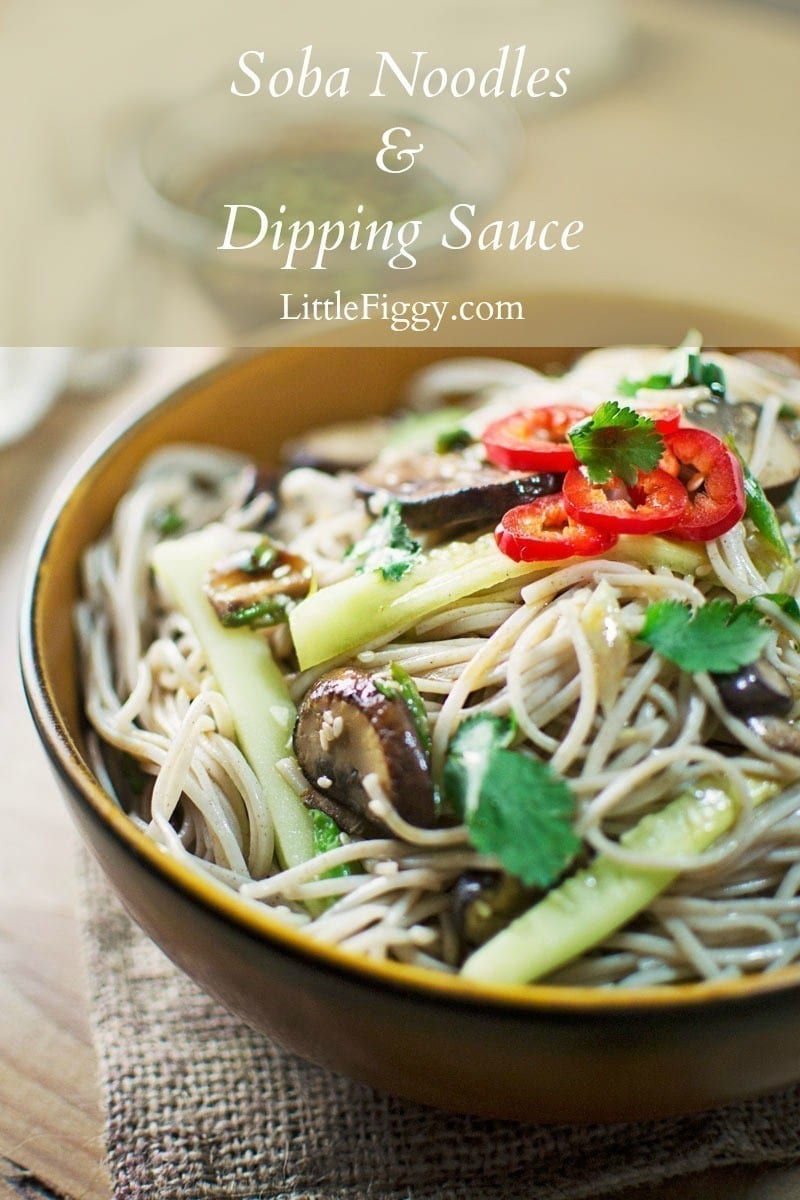
Soba Noodles and Dipping Sauce!
Gone are the days of my instant cup of Ramen noodles. 😉
Seriously, I think that these Soba noodles are my favorite go to, insta-meal. Although they aren’t exactly instant, they are quick and easy to prepare. I just make a double batch and keep it in the fridge so I can have it ready to go when I’m on the go.
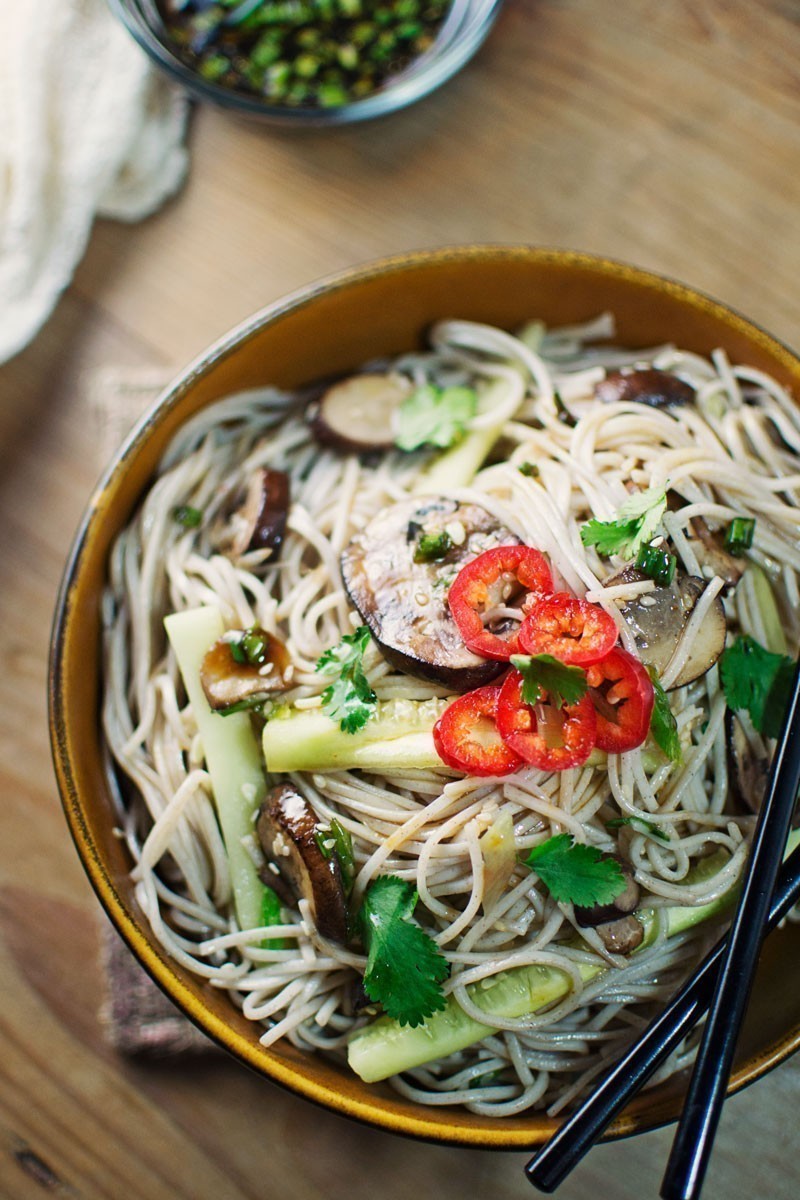
Soba noodles are incredibly versatile and adaptable. To make this recipe more of a filling meal, pair it with cold roast beef, leftover rotisserie chicken, shrimp or duck.
The dipping sauce is one of those that I could drink straight up, almost. It’s definitely a must for the noodles, so don’t skimp on that dipping sauce.
If you really like your food with a bit more heat, just add some extra Sriracha sauce to the dipping sauce or even a few sliced red chili peppers. For my kids, I keep the heat on the low side, but they are slowly coming around.
What is Soba Sauce?
Soba sauce, known in Japanese as tsuyu or mentsuyu, is the dipping sauce served alongside cold soba noodles. At its core it’s a combination of three ingredients: soy sauce, mirin, and dashi. Simple as that sounds, the balance between the three is what makes it work. The soy brings the salt and umami, the mirin adds a mild sweetness, and the dashi, a light Japanese stock typically made from kombu and bonito flakes, gives it that distinctive savory depth that you can’t quite replicate with substitutes.
It’s used in Japanese cooking far beyond soba. You’ll find versions of tsuyu as a base for udon broth, tempura dipping sauce, and cold noodle dishes of all kinds. But for soba specifically, it’s served concentrated and cool, with the noodles dipped in rather than swimming in broth. The ratio of sauce to water determines the intensity, and getting that right is the difference between a dipping sauce and a soup base.
How to Serve Soba Noodles
Soba noodles are served two ways and both are worth knowing.
Cold dipping style (Zaru Soba). This is the traditional way to serve soba in summer and the method this recipe is built around. The noodles are cooked, rinsed under cold water until completely chilled, and arranged on a bamboo mat or plate. The tsuyu is served in a small cup or bowl on the side, cool and concentrated. You pick up a small bundle of noodles with chopsticks, dip them into the sauce, and eat. Clean, refreshing, and surprisingly satisfying.
Warm broth style (Kake Soba). The same tsuyu base diluted with hot dashi and served as a broth with the noodles submerged. This is the cold weather version, more like a noodle soup than a dipping experience. The sauce gets diluted to about a 1 to 3 or 1 to 4 ratio of tsuyu to dashi depending on how strong you like it.
A note on the noodles. Whatever style you choose, don’t overcook the soba. It goes from perfectly tender to mushy quickly. Rinse thoroughly under cold running water after cooking regardless of whether you’re serving it cold or warm — it stops the cooking and removes the surface starch that makes noodles clump together.
Soba Sauce Variations
The classic tsuyu is hard to improve on, but these variations are worth trying once you have the base down.
Sesame soba sauce. Whisk a tablespoon of toasted sesame oil and a teaspoon of toasted sesame seeds into the finished tsuyu. Nutty, rich, and a little more substantial than the classic. Works particularly well as a cold noodle dressing rather than a dipping sauce, tossed directly through the noodles with a little cucumber and scallion.
Spicy soba sauce. Stir in a teaspoon of togarashi or a small amount of gochujang to the tsuyu base. Togarashi keeps it Japanese in character with a clean dry heat, gochujang adds a deeper fermented spice with a little sweetness underneath. Start small and adjust — both are stronger than they look.
Ponzu-based. Replace a portion of the soy sauce with ponzu, a citrus-forward Japanese sauce made with yuzu or sudachi. The result is brighter and lighter than the classic tsuyu with a fresh acidity that pairs beautifully with cold noodles in summer. A squeeze of fresh lemon juice stirred into the standard tsuyu is a reasonable approximation if ponzu isn’t available at your local store.
If you like pot noodles then be sure to check out my favorite on-the-go lunch, DIY Instant Thai Coconut Chicken Pot Noodles!
Soba Noodles + Dipping Sauce, a perfect meal any day!
Soba Noodles + Dipping Sauce
Ingredients
Method
- In a large pot, bring water to a boil, then add in the Soba Noodles. (cook according to pkg directions, about 4 minutes).
- Drain and run under cold water. Add 1 Tbls Oil and toss gently to coat. Set aside.
- In a large skillet over medium high heat, add in 2 Tbls oil and allow to get hot, about 1 minute.
- Add in the Mushrooms and Onion, saute until starting to lightly color, about 4 - 5 minutes.
- In a small dry skillet, toast the Sesame Seeds until fragrance is released, about 2 - 3 minutes, do not let burn.
- In a small bowl, mix together the Soy Sauce, Rice Wine Vinegar, Sriracha, Toasted Sesame Oil and Spring Onions. Divide Dipping Sauce into individual serving bowls.
- In a large bowl, toss together, Mushroom Onion mixture with Noodles, Cucumbers and Toasted Sesame Seeds.
- Serve Soba Noodles Cold or can be warmed if preferred (make sure you do not heat the cucumbers - because eww).
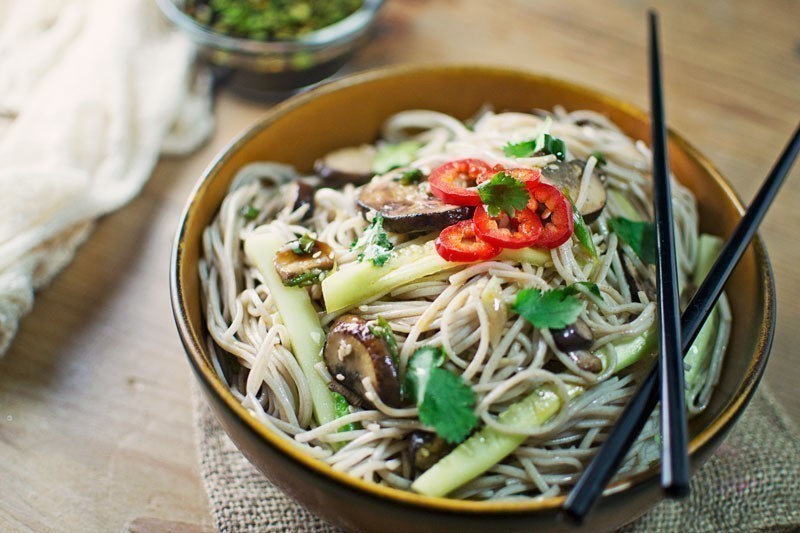
- Garnish if desired with Fresh Cilantro and sliced Red Chili Peppers.
Notes
Tried this recipe?
Let us know how it was!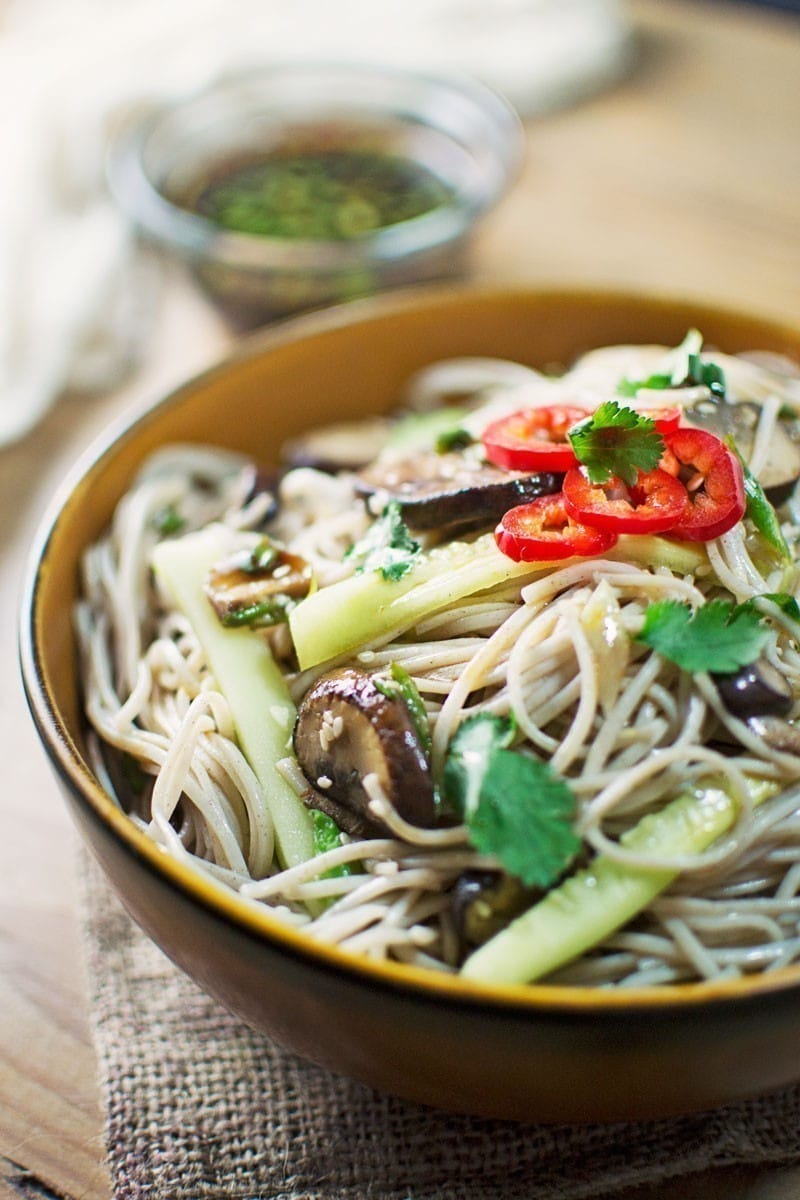
7-Day Email Series
Seven dinners worth getting undressed for.
One lands in your inbox every morning for a week — plus the side and the drink I’d pour with it. Free.
No chef’s journey. No weird ingredients. Unsubscribe whenever.


I love a good Asian soba noodle dish. This recipe is definitely something I would enjoy – and have to make!
Thank you Thalia! It’s so easy to make and the Dipping Sauce is addictive 🙂
I love a good Asian soba noodle dish. This recipe is definitely something I would enjoy – and have to make!